SignGAN is a generative adversarial network trained on a designed set of synthetic data.
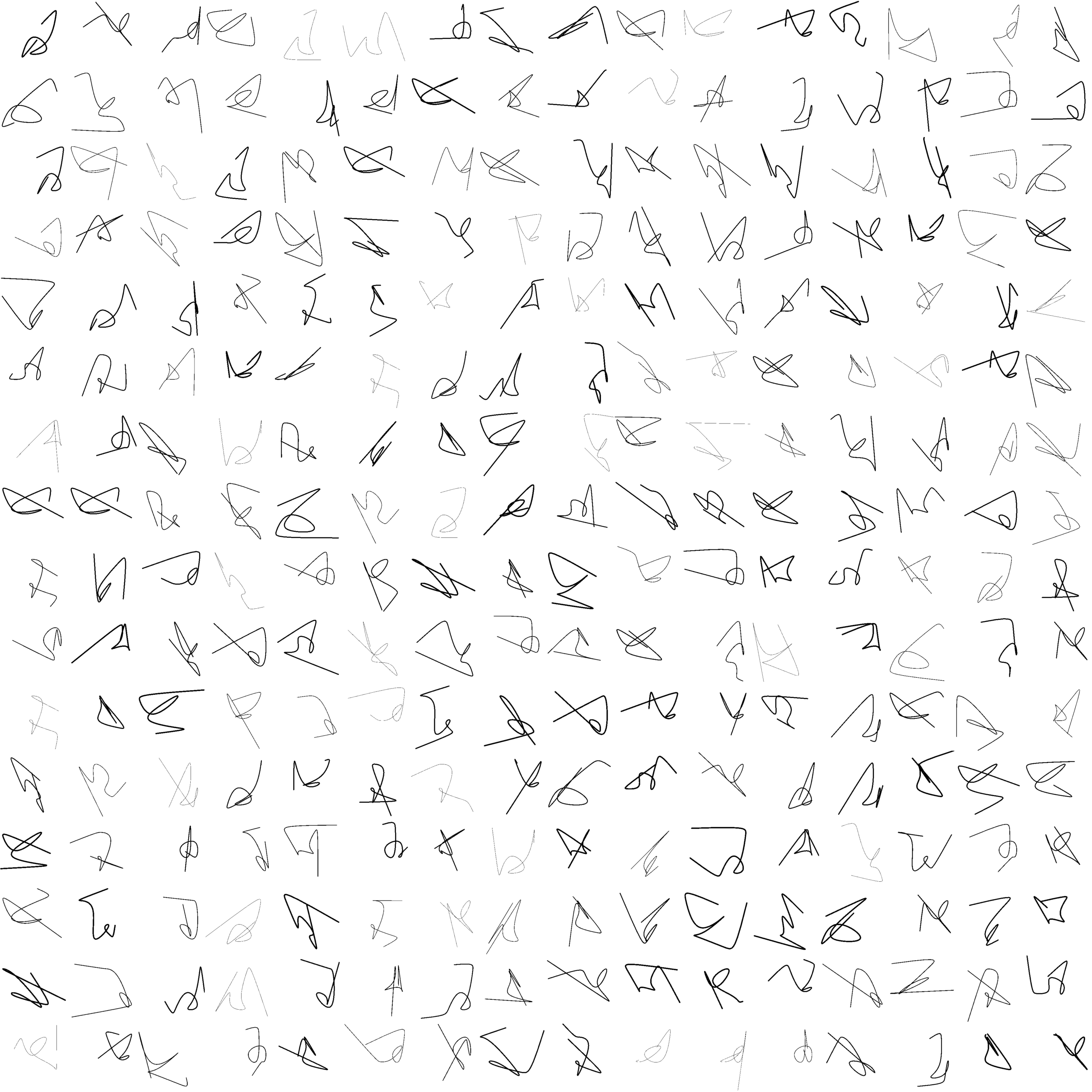
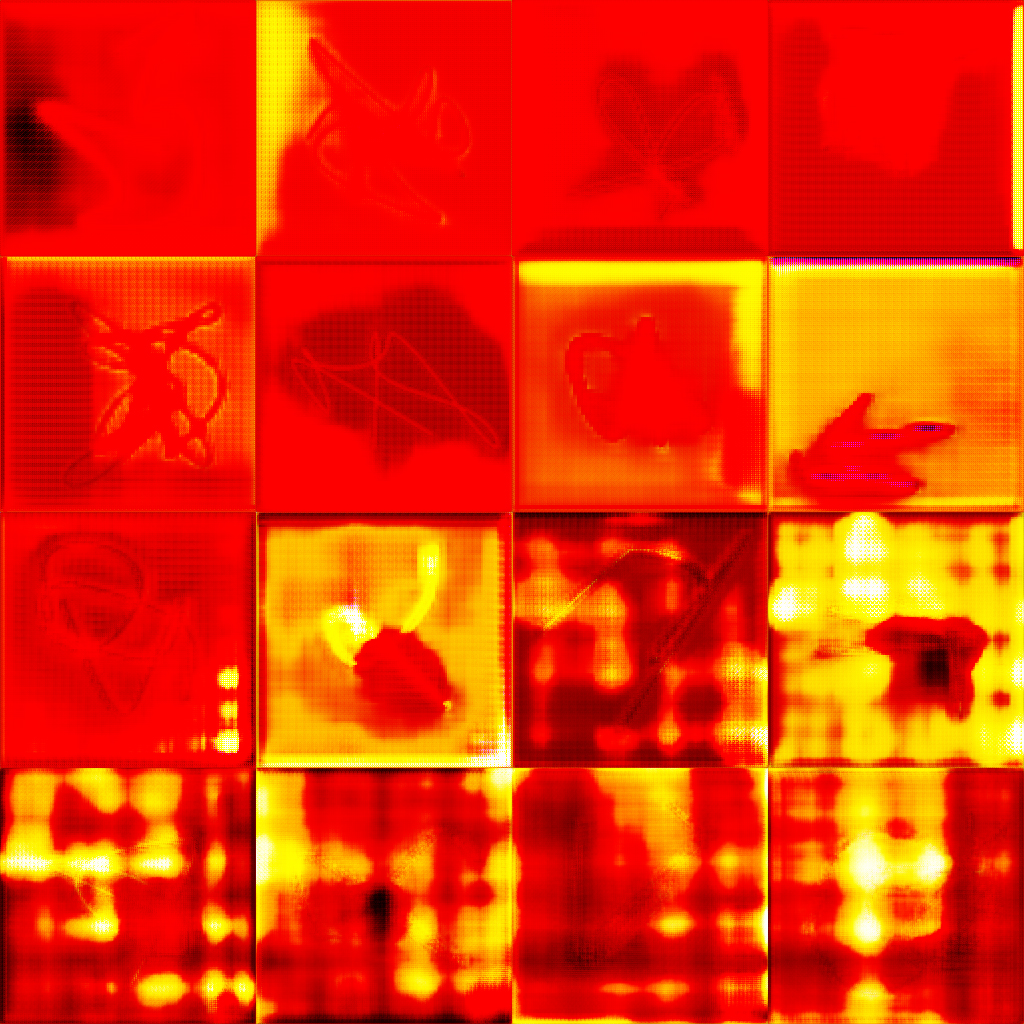
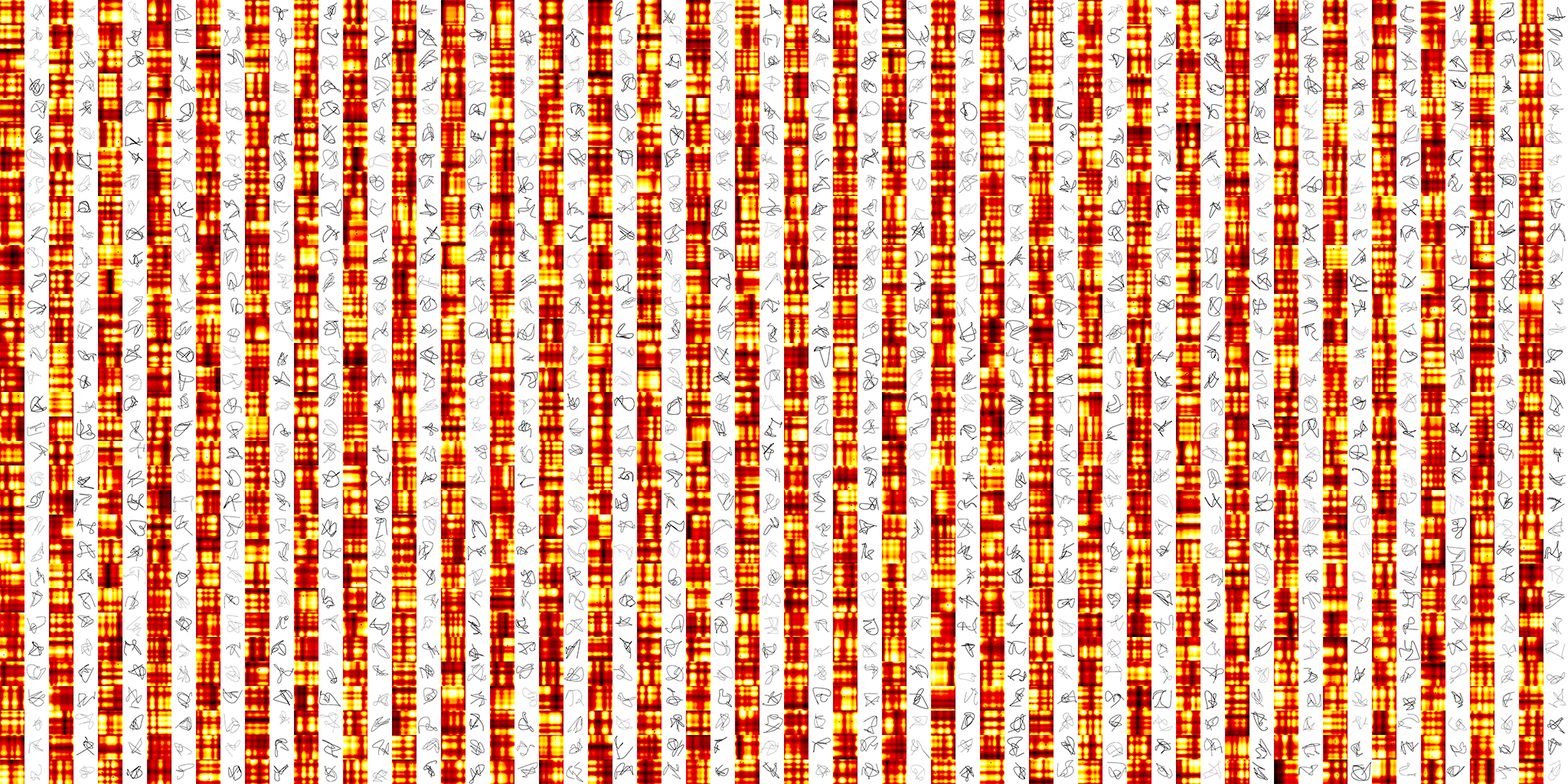
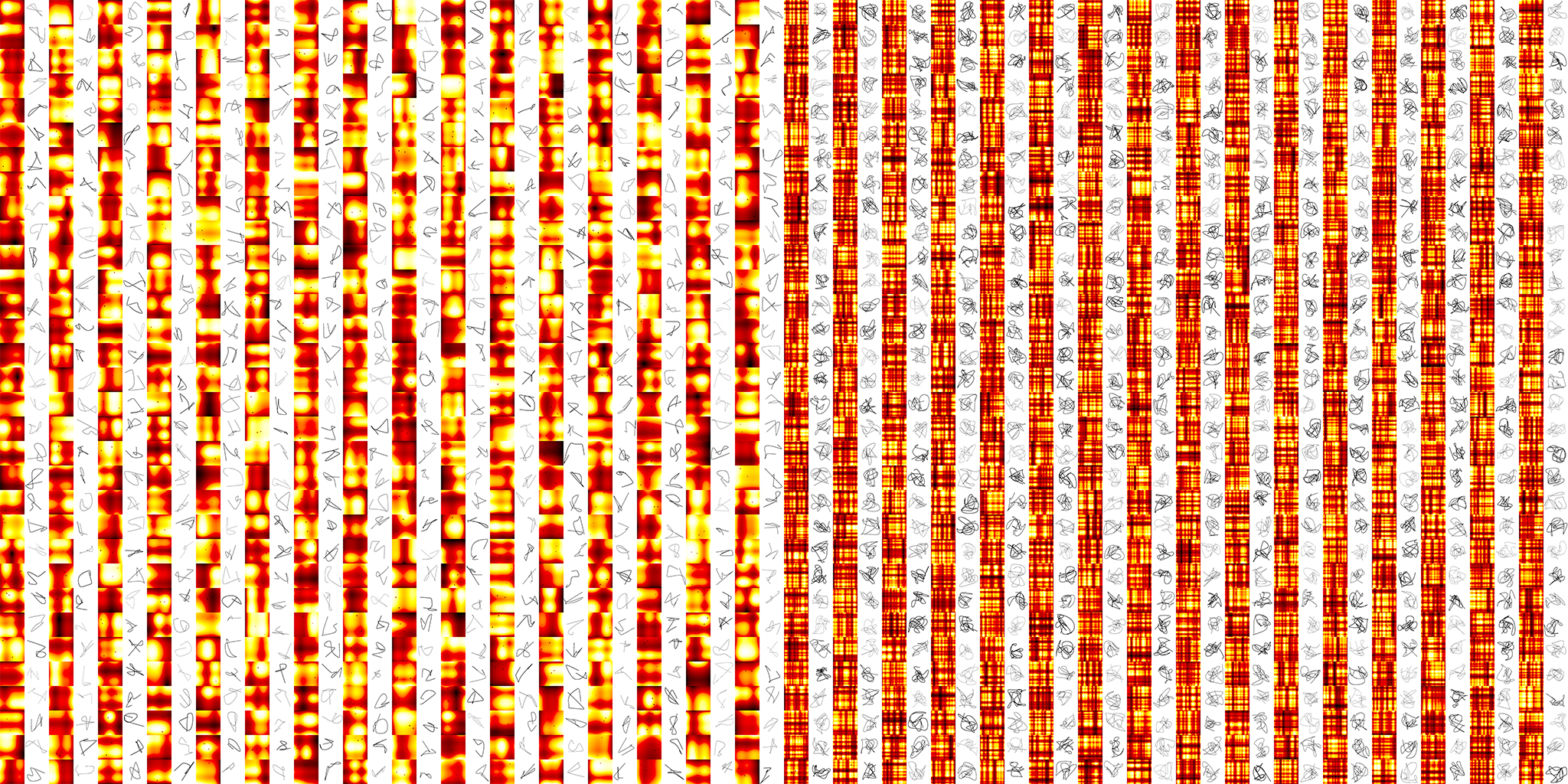
SignGAN’s purpose is to take a wearer’s signature and generate an image that will define the material properties of a digital piece of cloth.
It is built on pix2pix.
The research has led to a growing body of work that includes models, images, video and text. A thorough discussion of the work can be found in the essay 1024 Doodles - published on Nekiya. Most recently, SignGAN has been a collaborator in the design of the Doodle Dress collection.
If you are interested in generating a metamaterial, or would like to discuss the design of synthetic datasets for training machine learning models, we'd be happy to hear from you.
Contact
About SignGAN
SignGAN runs on Windows 10 and relies on the following tools, all operated from an Anaconda Prompt:
- An NVIDIA graphics card and graphics driver supporting CUDA. This is the engine.
- Anaconda (conda) which is a software environment manager. This is the garage, where we assemble everything.
- Python. This is how the car is assembled.
- PyTorch and torchvision. These are the transmission - they make the engine do things.
- The pytorch-CycleGAN-and-pix2pix project codebase. This is the car, minus the driver, but including all the other components.
- Other supporting packages like dominate and wandb. These help us see what’s going on.
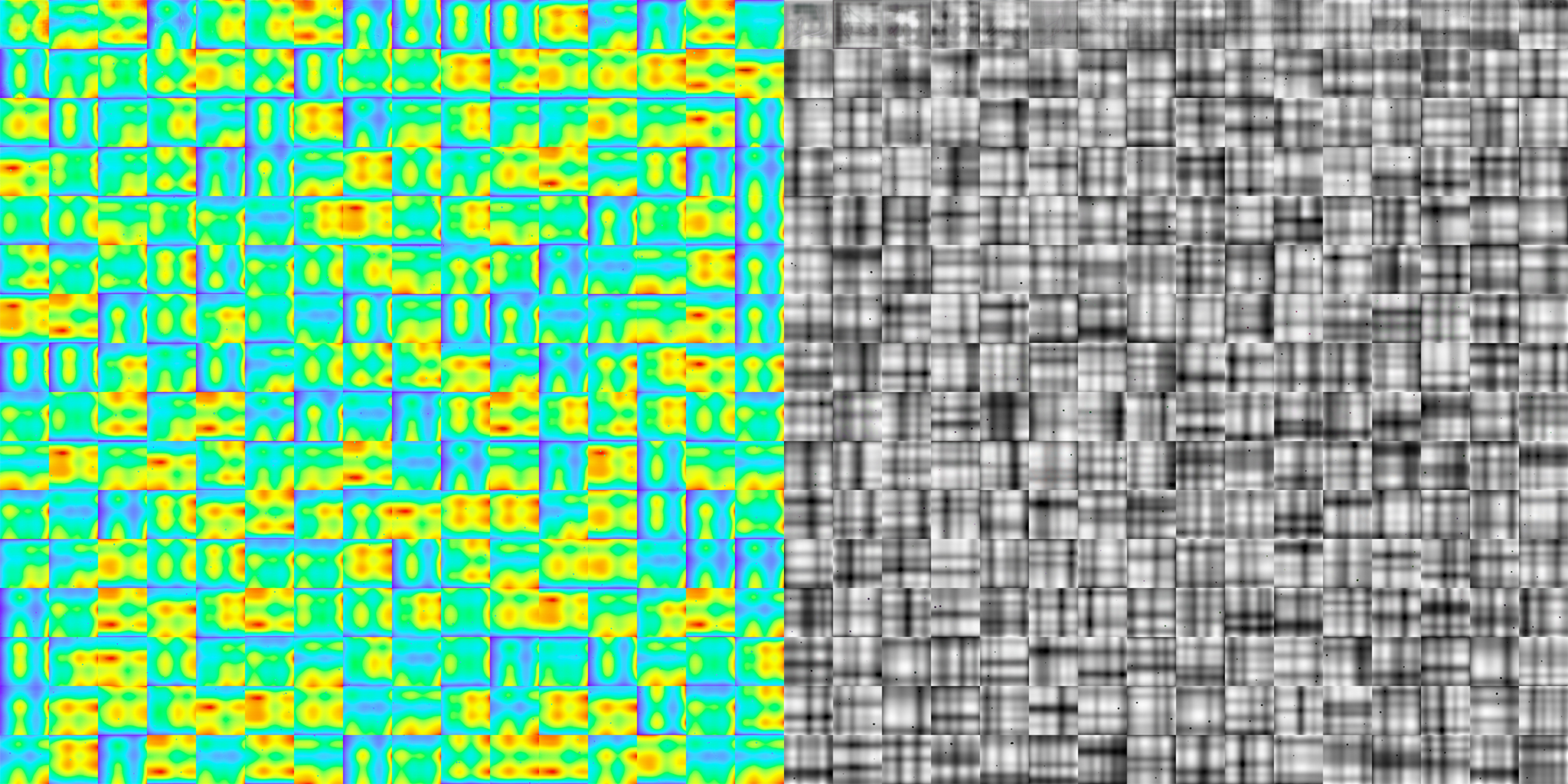
SignGAN is operated through the command-line, but it also has a folder structure where files can be accessed, inspected and modified. When active, it will read image files from the designated folder. Image inputs are restricted to files with predefined characteristics. SignGAN’s outputs are versions of itself in different stages of training and images with predefined characteristics. The following image format is used for both inputs and outputs: 256x256 pixels, saved as .png files.
SignGAN is a combination of two neural networks, let’s call them characters X and Y, competing with each other. This is called training. The GAN must be trained before it’s used.
- Character X is called the generator. It creates images.
- Character Y is called the discriminator. It looks at a bunch of images, some created and some real and picks out the fakes.
- The generator wants to get so good at creation that it can trick the discriminator into believing a created image is a real image. The discriminator wants to get better at catching the fakes. In this dance, they push each other to improve.
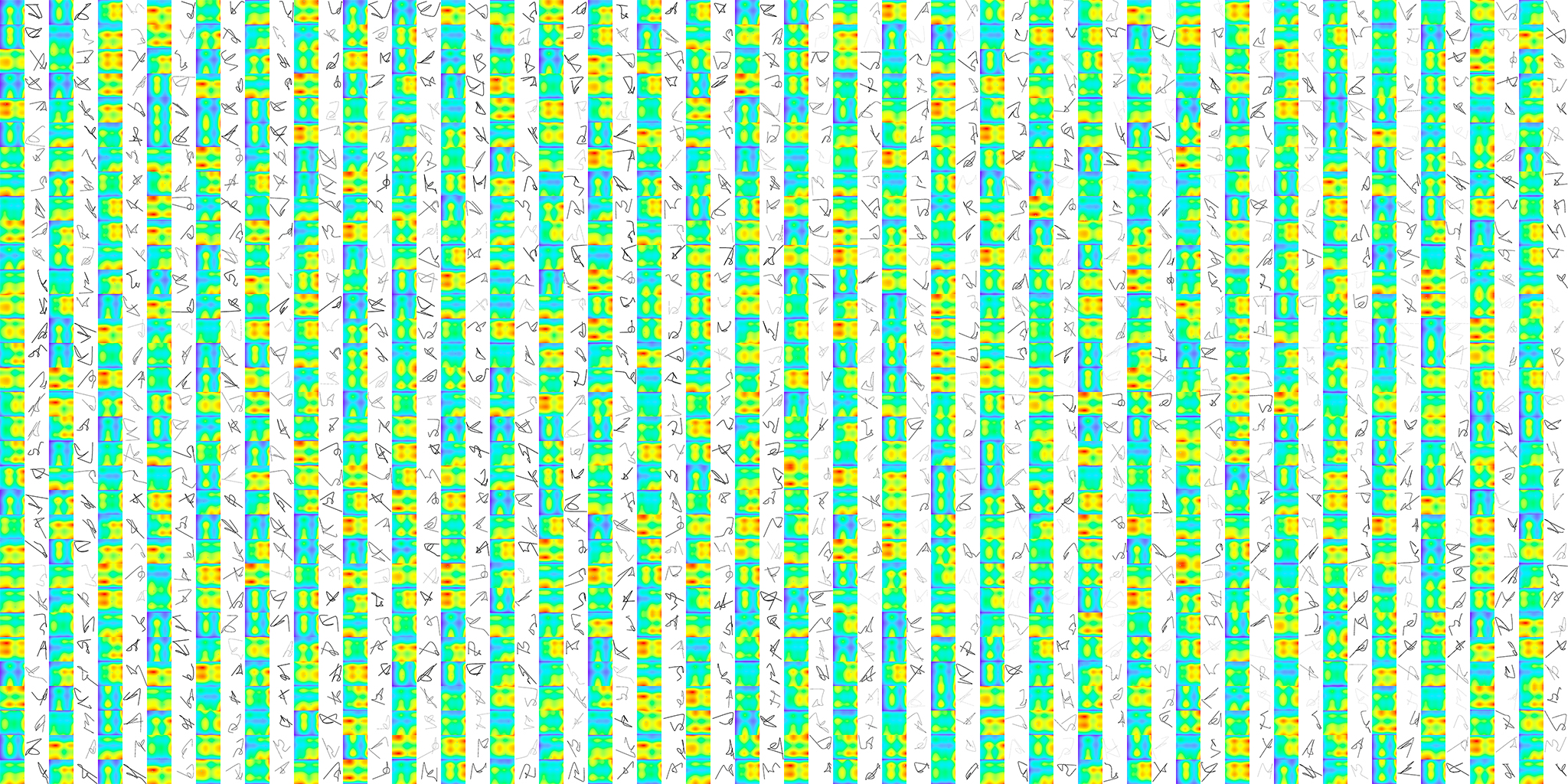
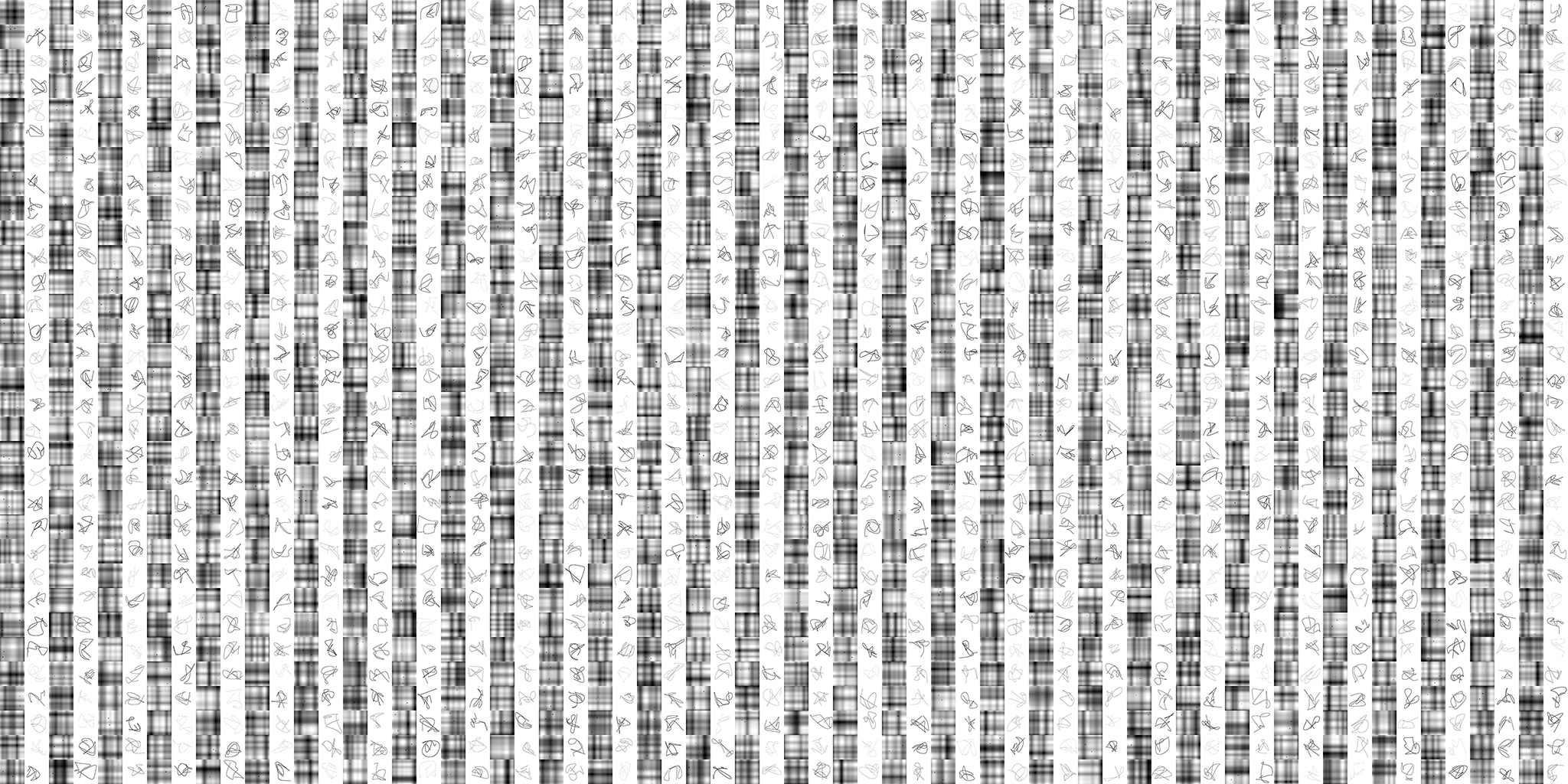
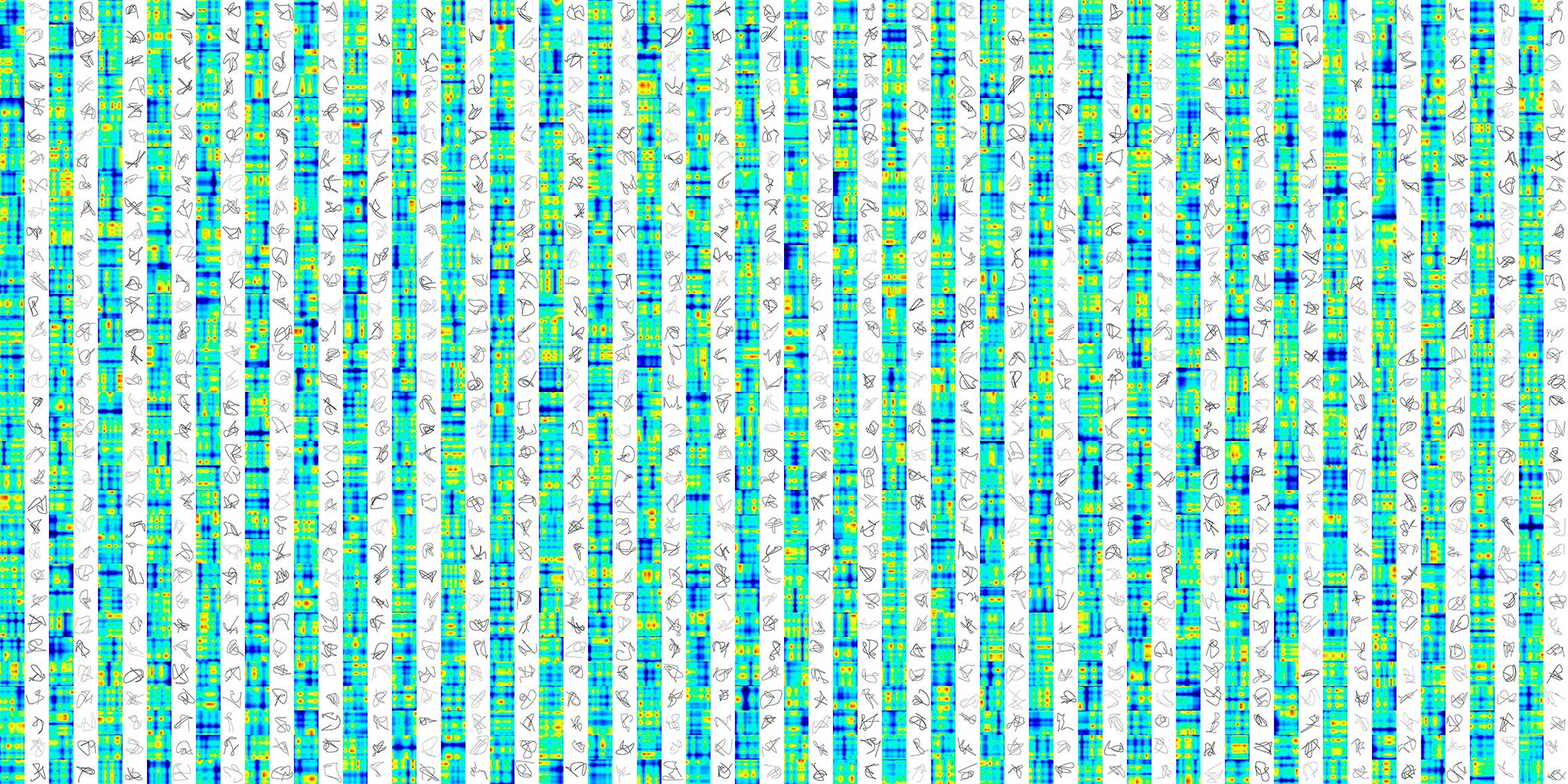
- Character C is us. We are responsible for providing the images for the GAN to train on. We design image pairs A-B, where A is the input and B is the output to test against. The generator will see A and generate a fake B. The discriminator will assess against a real B and make a conclusion.
- When activated post-training, the generator is now the car’s driver. We will provide it with an image of the wearer’s signature, and it will provide us with an image that will define a piece of digital cloth’s material properties.
Copyright
-
© 2026 Digital Poetics Ltd
Contact
-
info@digitalpoetics.xyz